
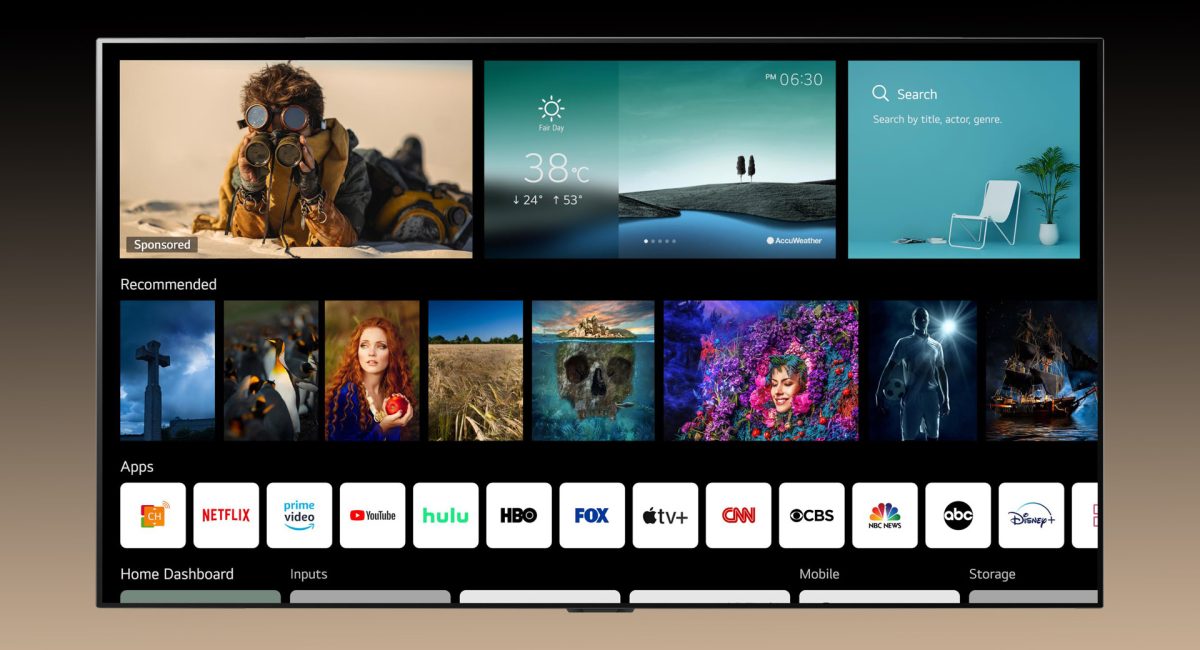
8K TVs: Are They the Future of Home Entertainment?
As technology continues to evolve, 8K TVs have emerged as the next frontier in home entertainment. With stunning clarity and detail, 8K televisions promise to deliver a cinematic experience like never before. But is it time for the average consumer to upgrade, or is 8K still a bit ahead of its time? In this article, we’ll explore everything you need to know about 8K TVs, including their features, benefits, challenges, and whether they’re truly the future of home entertainment.
What Are 8K TVs?
8K resolution refers to a display with 7680×4320 pixels, which is four times the resolution of 4K TVs and sixteen times that of Full HD (1080p) TVs. With such a high pixel count, 8K TVs can deliver incredibly sharp and detailed images that make the viewing experience more immersive than ever. This level of detail allows you to see more intricate textures, sharper lines, and finer details, even on very large screens.
8K TVs are currently being developed by several major brands, including Samsung, LG, and Sony, each offering their own unique take on 8K technology. However, the real question is, do consumers really need such high-resolution displays right now?
Key Benefits of 8K TVs
1. Incredible Picture Quality
The most obvious advantage of an 8K TV is its stunning picture quality. The sheer number of pixels ensures that images are sharp, vibrant, and incredibly detailed. The clarity is so high that even the largest screens can maintain excellent image fidelity, making it perfect for big-screen enthusiasts and home theater setups.
2. Immersive Viewing Experience
With 8K TVs, the level of detail can enhance the viewing experience by making images appear more life-like. You’ll be able to see textures and nuances in movies, sports, or gaming that were previously impossible to capture. This is especially noticeable when watching 8K-native content, which is gradually becoming available.
3. Better Upscaling of 4K and HD Content
While true 8K content is still limited, 8K TVs come with advanced upscaling technology that improves the quality of 4K and HD content. These TVs use AI-powered processors to convert lower-resolution content into higher-quality images, reducing the difference between native and upscaled content. So, even when you’re watching regular HD or 4K content, it can still look much better than on a standard 4K TV.
4. Future-Proofing Your Entertainment Setup
Investing in an 8K TV may seem premature, but it can future-proof your entertainment setup. As more content creators and streaming services move toward 8K production, owning an 8K TV will allow you to fully experience new content as it becomes available. It’s also an investment that can last longer than a 4K TV, which might become outdated faster as 8K content becomes more common.
Challenges of 8K TVs
While 8K TVs have several notable advantages, there are also some challenges that consumers should consider:
1. Limited 8K Content
Currently, the biggest hurdle for 8K TVs is the lack of content available in native 8K resolution. Most streaming services, cable networks, and Blu-ray discs are still offering 4K or HD content. While 8K TVs do a great job of upscaling, they can’t fully utilize their native resolution unless you’re watching 8K-native content, which is still relatively rare.
2. High Cost
8K TVs are significantly more expensive than their 4K counterparts. The technology behind 8K screens, including the high pixel count and the advanced processing power required, makes them costly to manufacture. As a result, consumers are paying a premium for the 8K experience. This high price point means that 8K TVs are still out of reach for many budget-conscious buyers.
3. Bandwidth and Storage Requirements
Streaming 8K content requires an incredibly high bandwidth. Currently, even the most advanced internet connections might struggle to handle the data required for smooth 8K streaming. Additionally, storing 8K content can take up a large amount of space, which could pose a challenge for consumers with limited storage capacity.
4. Viewing Distance
To fully appreciate the benefits of 8K resolution, you need to be sitting at the optimal viewing distance. For larger screen sizes, you’ll need to be closer to the TV to notice the increase in resolution. This is less of an issue with smaller screens, but for large-screen 8K TVs, this can limit how effectively the resolution is perceived from typical viewing distances in most living rooms.
Are 8K TVs Worth It?
The decision to purchase an 8K TV depends largely on your needs and expectations. If you’re an early adopter who loves cutting-edge technology and you have the budget for it, an 8K TV can offer an amazing viewing experience, especially for large rooms or home theaters. For cinephiles or gamers who want the best possible picture quality, an 8K TV is a serious consideration for the future.
However, if you’re on a budget or primarily watch 4K or HD content, an 8K TV may not be necessary at this point. 4K TVs continue to offer exceptional image quality and are more affordable, with much more content available to match their resolution.
The Future of 8K
The future of 8K TVs looks promising, especially as content creators and streaming services begin to embrace higher-resolution formats. As the technology becomes more accessible and content availability increases, 8K TVs will likely become a staple in high-end home entertainment systems. With improvements in upscaling technology and content availability, 8K may become a more standard feature in the years to come.
For now, 8K TVs represent the cutting edge of home entertainment, but they remain a niche product for those who demand the absolute best in visual quality.
Conclusion
While 8K TVs are undoubtedly impressive and will likely define the future of home entertainment, they’re still in their infancy. If you’re eager to own the latest and greatest technology, 8K TVs are an exciting option. However, for most consumers, 4K TVs still offer excellent value for money, and 8K may not be necessary just yet.
Leave a Comment