
AI Powered Route Optimization Competing With Enterprise Logistics in 2026
In 2026, logistics companies face unprecedented pressure to deliver faster, cheaper and more reliably than ever before. Consumers continue to expect near‑instant delivery, businesses are under scrutiny to reduce emissions, and global supply chains must absorb ongoing disruptions. In this environment, artificial intelligence (AI) powered route optimization is no longer a luxury — it’s a strategic advantage for companies that want to compete with large enterprise logistics providers.
AI powered route optimization uses machine learning, real‑time data and predictive analytics to determine the most efficient paths for deliveries and freight movements. This technology helps reduce fuel consumption, minimize delays and improve customer satisfaction. For small and medium logistics companies, adopting AI‑driven routing strategies can level the playing field against enterprise competitors that historically had advantages in scale, data access and computational resources.
This article explores how AI route optimization works, why it matters in 2026, its key benefits, real‑world applications, challenges and future trends shaping logistics performance.
What Is AI‑Powered Route Optimization?
AI powered route optimization combines artificial intelligence with operational data to plan, adjust and monitor routes for delivery vehicles, freight carriers and supply fleets. Unlike traditional route planning that uses fixed schedules and basic maps, AI models factor in dozens — if not hundreds — of variables simultaneously. These can include traffic patterns, weather forecasts, delivery time windows, vehicle capacity, driver hours, road restrictions, customer preferences and more.
By processing this data continuously, AI generates dynamic routes that adapt to real‑time conditions. If an unexpected road closure occurs, the system recommends alternative paths that minimize delay. If weather conditions threaten delivery timing, AI can reschedule jobs proactively. In essence, AI turns route planning from a static task into a continuously evolving decision process.
Why It Matters in 2026
By 2026, the logistics landscape has become highly competitive:
- Customer expectations have risen — same‑day and next‑day delivery is common for many goods.
- Sustainability goals matter — companies aim to reduce carbon emissions and optimize fuel use.
- Labor constraints persist — efficient routing can reduce driver workload and overtime costs.
- Data availability has increased — IoT sensors, telematics and digital freight platforms generate streams of actionable data.
These factors make real‑time route optimization essential. Without it, logistics providers risk higher operational costs, slower deliveries and reduced customer satisfaction — all of which erode competitiveness against enterprise carriers that already use advanced optimization tools.
Key Benefits of AI Route Optimization
1. Reduced Operational Costs
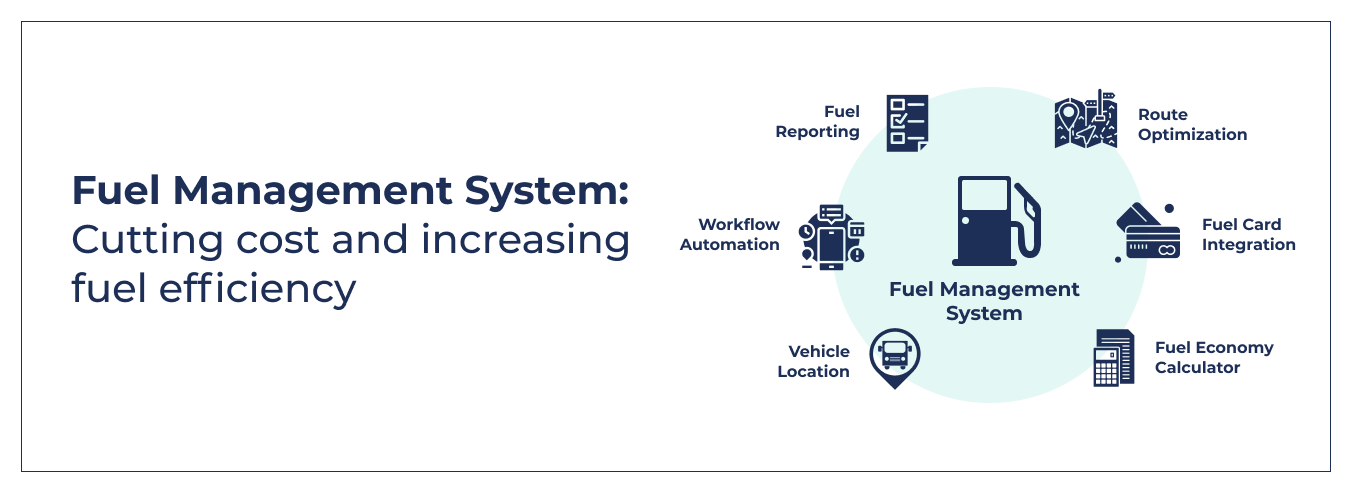
AI identifies the most efficient paths and delivery sequences, often saving significant fuel costs and lowering vehicle wear and tear. Optimized routes also reduce idle time and unnecessary mileage.
2. Improved Delivery Accuracy
By incorporating real‑time data, AI ensures delivery windows are met more reliably. Customers receive accurate estimated arrival times, reducing uncertainty and improving trust in the service.
3. Enhanced Sustainability
Fewer miles traveled means lower emissions. Companies striving to meet environmental targets benefit directly from AI route planning that minimizes fuel use and prioritizes eco‑friendly options.
4. Higher Driver Productivity
AI can assign routes considering driver hours and breaks, reducing fatigue and helping maintain compliance with labor regulations. Drivers spend more time delivering and less time waiting in traffic or navigating inefficient paths.
5. Scalability for Growing Demand
As businesses grow and customer orders increase, AI systems can scale planning automatically without proportional increases in planning staff or operational complexity.
Real‑World Adoption Examples
AI powered route optimization is already being used across logistics segments in 2026:
- E commerce carriers deploy AI to manage large fleets with hundreds of daily stops, balancing delivery windows with traffic and weather data.
- Freight carriers use AI to plan cross‑country shipments, integrating rail, truck and intermodal transfers for efficiency.
- Last‑mile delivery services optimize routes for gig drivers using app‑based AI guidance that adjusts in real time.
- Warehouse distribution centers integrate AI with order management, ensuring orders are grouped and dispatched in optimized sequences.
How AI Route Optimization Works
AI route optimization systems typically include several core components:
Data Integration:
These systems collect information from GPS devices, telematics, weather services, traffic feeds and internal order systems.
Machine Learning Models:
AI models learn patterns over time — for example, how traffic behaves at certain hours or how seasonal demand affects delivery times.
Predictive Analytics:
By forecasting future conditions, AI anticipates delays before they occur and adjusts routes accordingly.
Optimization Algorithms:
These compute the best possible paths taking constraints — such as delivery windows and vehicle capacity — into account.
Challenges and Considerations
Despite strong benefits, logistics companies face challenges when adopting AI route optimization:
Data Quality:
AI systems are only as effective as the data they receive. Poor data — inaccurate GPS feeds or outdated customer information — can reduce accuracy.
Integration Costs:
Integrating AI tools with existing fleet management systems can demand upfront investment and technical expertise.
Driver Adoption:
Drivers and dispatchers must trust AI recommendations. Training and transparent systems help improve adoption and effectiveness.
Connectivity Limitations:
In regions with limited network coverage, real‑time updates may lag, requiring systems that can work offline and sync when connectivity returns.
Future Trends in AI Route Optimization
Looking ahead:
- Hybrid Optimization Systems: AI will increasingly combine with edge computing to plan routes even when connectivity is limited.
- Autonomous Vehicles: AI route planning will play a core role in autonomous delivery fleets and drones.
- Multi‑Modal Integration: Optimization will expand beyond trucks to include rail, sea and air cargo planning.
- Customer Personalization: AI may tailor delivery options based on individual preferences, further improving the user experience.
Conclusion
AI powered route optimization is a transformative force in logistics for 2026, enabling companies of all sizes to compete with large enterprise carriers on efficiency, cost and reliability. By leveraging real‑time data, machine learning and predictive analytics, logistics providers can enhance performance, reduce environmental impact and improve customer satisfaction. While challenges remain, the benefits and future potential of AI make it a strategic investment for any logistics operation looking to thrive in a dynamic global market.
If you want specific AI route optimization platforms or tools used by logistics companies today, I can share a curated list tailored to your business needs.
Leave a Comment