
Blockchain and Secure Documentation in International Freight
International freight movements rely on a complex web of documentation that ensures goods move from origin to destination smoothly, legally and transparently. Traditional paper‑based processes create inefficiencies, increase costs and expose supply chains to fraud and errors. In response, blockchain technology is emerging as a game‑changer for secure documentation in international freight.
Blockchain offers a decentralized, tamper‑resistant ledger that enables stakeholders to create, share and verify shipping documents with greater security and trust. This article explains how blockchain works in freight documentation, its benefits, real‑world applications, challenges to adoption and what the future holds for global logistics.
What Is Blockchain in Freight Documentation?
At its core, blockchain is a distributed digital ledger that records transactions across multiple computers so that no single party controls the entire history. Each transaction or “block” is cryptographically linked to the previous one, making it extremely difficult to alter once recorded.
In international freight, documentation such as bills of lading, certificates of origin, customs declarations and invoices are essential for legal compliance and tracking cargo. Traditionally, these documents are created on paper or stored in siloed digital systems that are hard to share securely between exporters, carriers, customs authorities, banks and importers.
Blockchain replaces this fragmented model with a shared, secure platform where authorized parties can access a single source of truth. Instead of sending scanned copies by email or courier, stakeholders interact with encrypted digital records that are synchronized across the network.
Why Documentation Security Matters in International Freight
International freight involves many parties across borders. Sensitive shipment details like cargo descriptions, ownership information, delivery terms and customs valuations must be accurate and verifiable. Lack of secure documentation can lead to:
- Delays at ports and border crossings
- Disputes over ownership or shipment terms
- Increased risk of fraud or document tampering
- Higher administrative costs
Blockchain addresses these issues by ensuring that once a document enters the system, it cannot be modified without permission from relevant parties. This increases confidence and reduces friction in global trade.
Benefits of Blockchain for Secure Freight Documentation
1. Enhanced Security and Integrity
Because blockchain records are immutable, once a document is entered, it cannot be altered retroactively without consensus. This reduces the risk of fraud and unauthorized changes.
2. Improved Transparency and Traceability
All authorized stakeholders can see the same document history, which builds trust and enables quicker dispute resolution. This transparency is especially important for regulators and customs authorities.
3. Reduced Paperwork and Administrative Costs
Digital documents on a blockchain eliminate the need for multiple physical copies, couriers and manual verification. Freight forwarders and logistics teams can save time and reduce errors related to manual data entry.
4. Faster Customs Clearance and Compliance
Customs officials can access verified documentation on demand, speeding up port clearance and reducing cargo dwell times. Real‑time access also improves compliance with trade rules and tariffs.
5. Streamlined Financial Transactions
Documents like letters of credit and invoices can be linked to payment triggers on blockchain, reducing delays in financing and settlement between importers and exporters.
Real‑World Use Cases
Several international freight and logistics organizations are piloting or implementing blockchain solutions:
Digital Bills of Lading (eB/L):
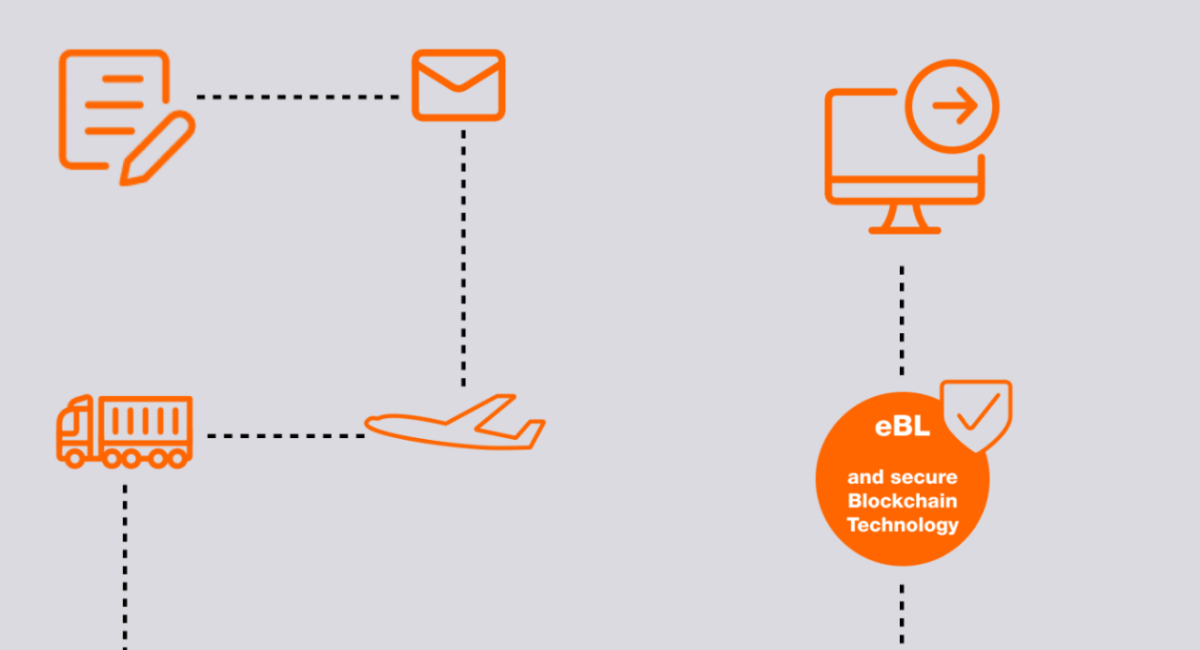
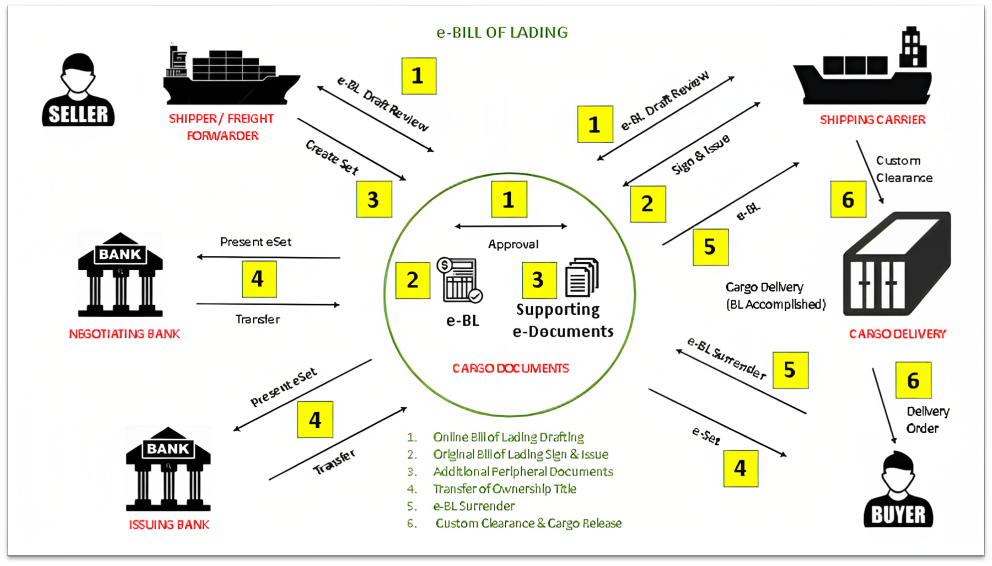
The traditional bill of lading is a key document that serves as a receipt, title and contract for shipped goods. Blockchain‑based eB/Ls allow instant transfer of ownership digitally, speeding up transactions and reducing the risk of lost or forged paper documents.
Customs and Regulatory Filings:
Some countries are integrating blockchain platforms with their customs systems so that import documentation is securely shared and verified before cargo arrival. This reduces congestion at ports and improves supply chain predictability.
Trade Finance Integration:
Banks and financial institutions are using blockchain to verify freight documentation before releasing letters of credit. This improves trust between trading partners and accelerates funding processes.
How Blockchain Implementation Works
Blockchain solutions for freight typically involve:
Smart Contracts:
These are self‑executing rules coded into the blockchain that automatically trigger actions when conditions are met. For example, release of payment once shipment has cleared customs and all documentation is verified.
Permissioned Networks:
Not all blockchains are public. In freight, permissioned blockchains allow only authorized participants to view and interact with documents, preserving privacy while ensuring security.
APIs and Integration Layers:
Blockchain systems integrate with existing freight management software, customs portals and carrier systems through application programming interfaces (APIs) so that data flows seamlessly without manual input.
Challenges to Adoption
Despite clear benefits, several challenges still affect blockchain adoption in international freight:
1. Interoperability:
Different blockchain platforms may not communicate with one another, creating fragmentation. Industry standards are needed to enable seamless document sharing across networks.
2. Legal Recognition:
Not all countries or authorities recognize digital documents or signatures as legally binding. Policymakers must adapt regulations to accept blockchain‑verified documentation.
3. Technology Costs:
Initial setup, training and integration costs can be significant, especially for smaller freight forwarders.
4. Stakeholder Buy‑In:
Blockchain works best when many parties join the network. Convincing all relevant players — from shipping lines to customs agencies — to adopt a common platform can be challenging.
The Future of Blockchain in Freight
As platforms mature and standardization efforts progress, blockchain is expected to become a foundational component of global freight documentation. Emerging trends include:
Cross‑Industry Standardization:
Organizations like the International Chamber of Commerce (ICC) and World Customs Organization (WCO) are working toward standards that support interoperable blockchain solutions.
Integration with IoT and AI:
Blockchain combined with IoT sensors can automatically verify conditions like temperature or custody changes, while AI can analyze document data for compliance and risk insights.
Wider Regulatory Acceptance:
More governments are exploring digital trade corridors that leverage blockchain for customs and trade facilitation.
Conclusion
Blockchain technology is reshaping secure documentation in international freight by providing a trusted, transparent and efficient way to manage essential trade documents. While challenges remain, the benefits of reduced fraud, faster processing and strengthened collaboration make blockchain a strategic priority for global logistics.
Businesses that adopt blockchain‑based documentation systems can reduce risk, improve compliance and accelerate the flow of goods across borders. If you would like examples of blockchain platforms used in freight today, I can share specific options tailored to your needs.
Leave a Comment