
The Difference Between OLED TV and 4K TV: Which One Should You Choose?
When it comes to purchasing a new television, two of the most common terms that come up are OLED and 4K. While both technologies promise superior viewing experiences, they are fundamentally different, catering to various preferences and needs. Understanding the distinction between OLED TVs and 4K TVs can help you make an informed decision when choosing the best TV for your home entertainment system. In this article, we’ll dive into what each term means, the differences in technology, and how these features affect the overall viewing experience.
1. What is OLED Technology?
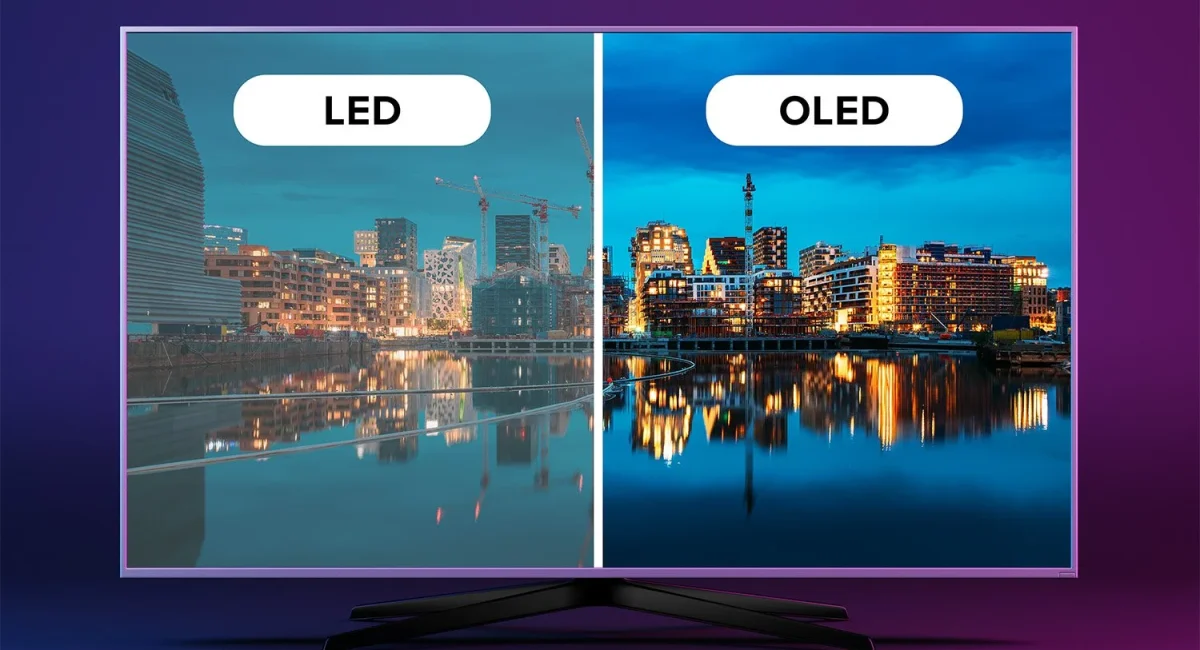
OLED stands for Organic Light Emitting Diode. It is a type of display technology that creates its own light using organic compounds. Unlike traditional LED or LCD TVs, which rely on a backlight to illuminate pixels, each individual pixel in an OLED display is self-illuminating. This allows OLED TVs to achieve perfect blacks, vibrant colors, and better contrast ratios.
Key Features of OLED TVs:
- Perfect Black Levels: Since each pixel emits its own light, OLED TVs can turn off individual pixels completely, achieving true black levels. This results in a much higher contrast ratio compared to LED or LCD screens.
- Wide Viewing Angles: OLED displays offer consistent color and brightness even when viewed from an angle, unlike LCD screens, which tend to wash out when viewed from the side.
- Thinner Design: OLED screens can be incredibly thin because they don’t require a backlight. This allows for sleeker, more stylish TV designs.
- Vivid Colors: The ability to control each pixel individually allows OLED TVs to produce richer, more accurate colors with a wider color gamut.
Drawbacks of OLED TVs:
- Price: OLED TVs tend to be more expensive compared to LED or 4K TVs due to the advanced technology and superior picture quality.
- Risk of Burn-In: OLED TVs can experience burn-in if static images, like channel logos or video game HUDs, remain on the screen for prolonged periods. However, most modern OLEDs have features to mitigate this risk.
2. What is 4K TV?
4K TV refers to the resolution of the TV’s display. A 4K TV has a resolution of 3840 x 2160 pixels, offering four times the pixel count of Full HD (1080p) TVs. This higher resolution means that 4K TVs can display sharper, more detailed images, which is especially noticeable on larger screens.
Key Features of 4K TVs:
- High Resolution: With over 8 million pixels, 4K TVs deliver ultra-crisp, detailed images that are ideal for larger screens (55 inches and above).
- Content Availability: There is a growing library of 4K content available through streaming services like Netflix, Amazon Prime, and Disney+, as well as 4K Blu-ray discs. Additionally, many modern gaming consoles, such as the PlayStation 5 and Xbox Series X, support 4K gaming.
- Upscaling: Many 4K TVs are equipped with upscaling technology, meaning they can take lower-resolution content (like 1080p HD) and improve it to near-4K quality. This is particularly useful when watching older shows or standard-definition broadcasts.
Drawbacks of 4K TVs:
- Not All 4K Content is Equal: Not all 4K content is created equally. Some 4K content, especially streamed video, might be compressed and not display at the highest quality.
- Size Considerations: 4K TVs are most effective on larger screens. If you have a smaller TV, the difference in resolution may not be as noticeable.
3. The Key Differences Between OLED and 4K TVs
While both OLED and 4K offer incredible viewing experiences, they are fundamentally different in the way they enhance picture quality. Here’s a breakdown of the major differences:
Picture Quality:
- OLED TVs have an advantage in picture quality because of their ability to achieve true blacks, greater contrast, and vibrant colors. Since each pixel is individually lit, the contrast between light and dark areas is far more distinct than on standard LED or LCD TVs, making them ideal for dark room viewing.
- 4K TVs, on the other hand, offer superior resolution. While 4K doesn’t inherently offer the same contrast levels as OLED, the higher pixel density allows for sharper, more detailed images, which is especially noticeable on large screens.
Viewing Angles:
- OLED TVs shine in this category, as the image quality remains consistent even when viewed from wide angles. Whether you’re watching from the side or from above, the picture quality won’t degrade.
- 4K TVs, especially those with LED or LCD technology, typically lose brightness and color accuracy when viewed from an angle. However, some high-end LED models now incorporate QLED or IPS technology to reduce this effect.
Brightness and Contrast:
- OLED TVs typically have lower peak brightness than high-end LED TVs but offer unparalleled contrast ratios due to their perfect black levels.
- 4K LED TVs, especially those with HDR (High Dynamic Range) support, can achieve brighter peak brightness levels. However, they can’t match the black levels of OLED, as they rely on backlighting, which can result in light leakage and less perfect contrast.
Price:
- OLED TVs are usually more expensive due to the advanced technology and the premium quality they provide. If you want the best possible picture quality, you will pay a higher price for an OLED TV.
- 4K TVs come in a broader price range, with budget options available for those who want to experience high resolution without the high price tag of OLED.
Size Consideration:
- 4K TVs can be more cost-effective for larger screen sizes. Since the benefit of 4K is more noticeable on larger TVs (55 inches or more), it’s often a more practical option for larger spaces.
- OLED TVs, while available in various sizes, are generally best suited for those who prioritize picture quality in a smaller or medium-sized screen range due to their higher cost.
4. Which One Should You Choose?
The choice between OLED and 4K really depends on your preferences and the kind of viewing experience you want.
- Go for OLED if: You prioritize picture quality with true blacks, better contrast, vibrant colors, and wider viewing angles. It’s ideal if you’re an enthusiast who watches movies or sports in darker rooms or simply wants the best picture quality.
- Go for 4K if: You want sharp resolution on a large screen, particularly if you enjoy high-definition streaming or gaming. If you’re on a budget, 4K TVs offer great value, especially with the increasing availability of 4K content.
5. Conclusion
In the battle between OLED TVs and 4K TVs, there is no definitive winner — it all depends on what you value most. If you want exceptional picture quality and are willing to invest in the best technology, OLED is your best choice. However, if you’re seeking an affordable, high-resolution option for larger screens, 4K is a fantastic option.
Both technologies offer excellent viewing experiences, and with the increasing availability of 4K content and the premium nature of OLED displays, you can’t go wrong with either option. Choose the one that aligns with your needs, whether it’s picture quality, budget, or screen size.
Leave a Comment