
How Weight-Loss Drugs Are Changing Consumer Spending
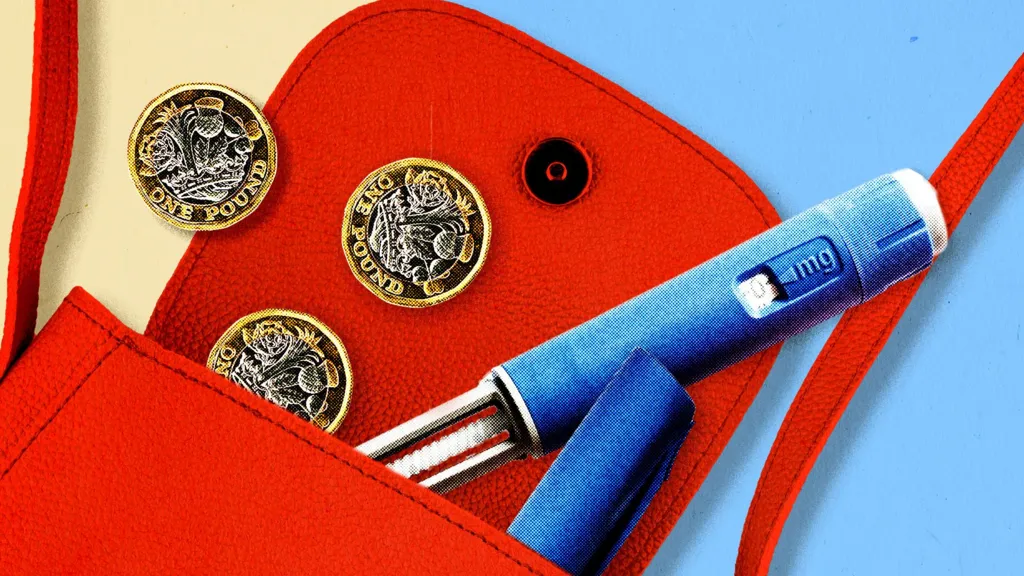
The rapid adoption of weight-loss drugs is triggering a significant shift in consumer spending patterns across the UK. These GLP-1 agonist medications suppress appetite, leading users to purchase less food and alcohol. Consequently, weight-loss drugs are forcing businesses in retail, dining, and fashion to adapt. An estimated 1.6 million people used these injections in 2024, with millions more interested. For private payers, costs exceed £300 monthly. This new consumer behavior is reshaping entire industries. Users report fundamental changes in what and how much they buy. The economic ripple effects are now becoming clear.
Grocery Shopping: Smaller Portions and Nutrient Density
Supermarkets are responding directly to users of weight-loss drugs. Shoppers like Sam Gillson report buying more fresh foods and fewer ready meals. Their overall grocery volume has decreased significantly. Retailers are launching new product lines to meet this demand. The Co-op, Morrisons, and M&S have introduced nutrient-dense ready meal ranges. Ocado now sells a 100g steak, targeting customers seeking smaller portions. The focus has shifted from quantity to quality. Consumers want to ensure their reduced intake contains necessary vitamins and protein. This aligns with a broader health trend, but weight-loss drugs are accelerating the change. Analysts say these medications are adding oxygen to existing shifts toward healthier eating.
Dining Out and Alcohol Consumption Drops
The restaurant and pub sectors are feeling the impact. Surveys show nearly a third of GLP-1 users go out to eat and drink less often. User Annie Haslam exemplifies this shift. She no longer gets weekly restaurant meals or monthly takeaways. Greggs’ CEO acknowledged the trend, noting increased demand for smaller portions. Fine dining is also adapting. Heston Blumenthal’s The Fat Duck introduced a mindful eating menu for appetite-suppressed diners. Alcohol purchases are declining sharply. Research indicates a 15-percentage point drop in alcohol volume among households with GLP-1 users. The Co-op confirms members on these drugs are reducing alcohol intake. This compounds an existing sobriety trend, presenting a challenge for beverage companies.
Fashion and Wardrobe Reinvention
Weight loss necessitates a new wardrobe, creating a spending shift within fashion. Annie Haslam spent an estimated couple thousand pounds replacing clothes after dropping several sizes. Analysts see a massive tailwind for the fashion sector from weight-loss drugs. The rapid size change may boost second-hand platforms like Vinted as users temporarily fill wardrobe gaps. It also inspires new confidence. Individuals may experiment with styles previously avoided. Fashion lecturer Simone Konu-Rae notes users might shop completely differently. They may engage with trends and outlets that didn’t cater to their former size. This represents a potential revenue stream for retailers who adapt their messaging and sizing strategies.
Beauty, Health, and Fitness Spending Increases
Spending is shifting from consumption to wellness. Research shows higher expenditure on healthcare, toiletries, and supplements among GLP-1 users. The fitness industry is experiencing greater demand. The Gym Group CEO notes weight-loss drugs drive demand for fitness services to maintain weight loss and build muscle. The company now educates trainers on supporting these members. Wellness retreats targeting GLP-1 users are emerging. The British Association of Aesthetic Plastic Surgeons reported an 8% rise in facelift demand in 2024. They link this to post-weight-loss patterns amplified by medication. However, beauty brands in the UK have not yet launched specific products. Analysts note the high drug cost may limit spending in other discretionary areas.
Economic Impact and Business Adaptation
The widespread use of weight-loss drugs presents a complex economic picture. Users may save on groceries and dining but redirect funds to medication, clothing, and fitness. The net effect on disposable income is mixed. Businesses must innovate to retain these changing customers. Supermarkets are developing smaller, nutrient-packed options. Restaurants are designing flexible portion menus. Gyms are creating specialized support programs. Fashion retailers might benefit from increased churn in wardrobes. The key is recognizing that the user’s relationship with consumption is fundamentally altered. Companies that adapt to this new health-conscious, less consumption-driven model will likely thrive.
Long-Term Cultural and Market Shifts
Weight-loss drugs are amplifying broader cultural shifts toward health and mindfulness. They are making nutrient density fashionable and sobriety more common. The long-term effect could be a permanent change in consumption norms, even among non-users. The market for indulgent, high-calorie foods and drinks may contract. Conversely, markets for fitness, wellness, and tailored clothing could expand. As medication costs eventually decrease and accessibility increases, these spending shifts will likely intensify. Businesses across sectors must view this not as a fad but as a structural change. Strategic planning should account for a consumer who eats less, drinks less, but potentially spends more on self-improvement.
Weight-loss drugs are proving to be a powerful economic force, not just a medical breakthrough. They are redirecting consumer spending from consumption to health and transformation. Grocery, hospitality, and beverage sectors face headwinds. Fashion, fitness, and beauty sectors see new opportunities. The individual experience of users like Sam and Annie highlights the profound personal and financial changes. As adoption grows, the businesses that succeed will be those that understand this new consumer psychology. They will offer solutions that align with a lifestyle of less intake but more investment in well-being and identity.
Leave a Comment