
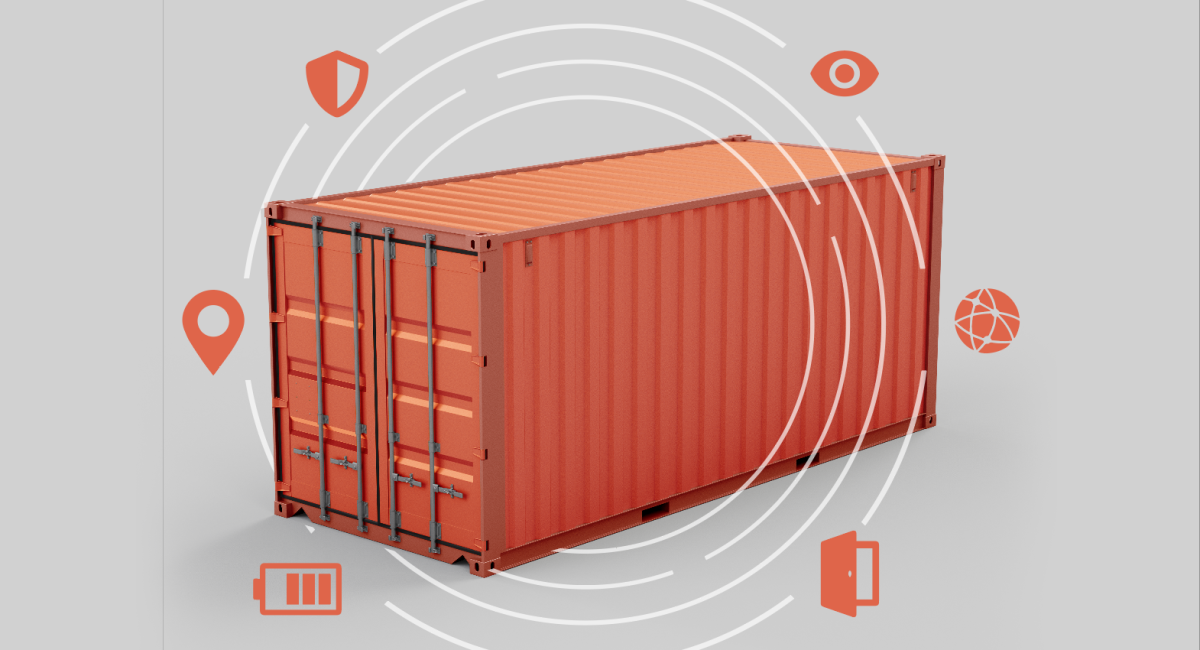
The Role of IoT in Real‑Time Shipment Tracking and Visibility
In today’s global logistics environment, businesses and customers expect faster deliveries, accurate updates, and transparent visibility into where goods are at every stage of transit. The Internet of Things (IoT) has become a key enabler in meeting these expectations by connecting physical freight with digital data and real‑time insights. Across shipping, warehousing, and last‑mile delivery, IoT technologies are transforming how companies monitor shipments, respond to issues, and optimize operations.
This article explores how IoT is being used for real‑time shipment tracking and visibility, the benefits it brings, common technologies involved, challenges to adoption, and what the future may hold for connected logistics.

What Is IoT in Logistics?
IoT refers to a network of interconnected devices and sensors that collect and exchange data over the internet without manual intervention. In logistics, IoT devices are attached to shipping assets such as containers, pallets, crates, trucks, and packages. These devices communicate status information — such as location, temperature, humidity, shock, and door status — back to centralized platforms that provide visibility for stakeholders across the supply chain.
By linking physical shipments to digital tracking systems, IoT closes the gap between expectations and reality. Instead of relying on estimated delivery times and batch updates, logistics teams gain continuous, real‑time visibility into shipments from origin to destination.
How IoT Enhances Real‑Time Shipment Tracking
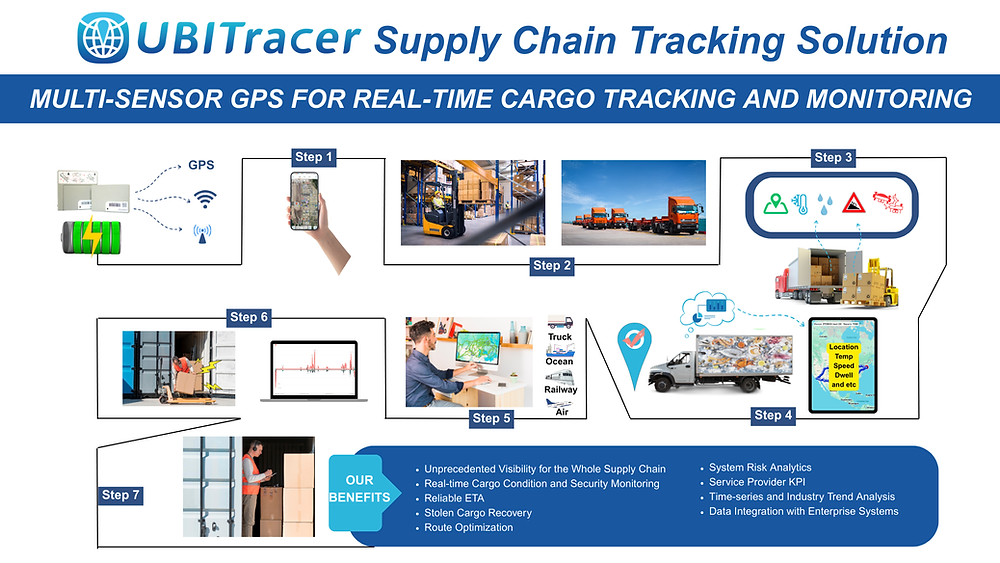
Live Location Tracking:
IoT devices equipped with GPS or cellular connectivity send frequent location updates. This allows companies and customers to see exactly where a shipment is on the map, not just when it last checked in at a facility.
Condition Monitoring:
Sensitive goods such as food, medicines, electronics, and chemicals require careful handling. IoT sensors track temperature, humidity, light exposure, and vibration levels throughout transit. If conditions stray outside acceptable ranges, alerts are triggered so corrective action can be taken before spoilage or damage occurs.
Geofencing and Alerts:
IoT systems can be programmed with virtual boundaries or geofences around specific locations such as ports, warehouses, and delivery zones. When a shipment enters or exits these areas, automated notifications update teams and customers, improving predictability.
Predictive Analytics:
Over time, data from IoT devices can feed machine learning models that anticipate delays, likely delivery times, and equipment maintenance needs. Predictive insights help logistics planners make smarter decisions before problems arise.
Benefits of IoT‑Enabled Visibility
Improved Customer Experience:
Customers increasingly expect transparency about their orders. Real‑time tracking allows shippers to offer accurate estimated delivery times and proactive updates, reducing customer inquiries and improving satisfaction.
Greater Operational Efficiency:
Teams no longer need to manually check on shipments or wait for status reports. IoT automates data capture and delivers insights directly to dashboards used by logistics planners, warehouse teams, and carriers.
Reduced Loss and Damage:
Visibility into shipment conditions allows companies to take swift action if packages are mishandled or exposed to adverse environments. This reduces losses from damaged goods and can lower insurance claims.
Enhanced Supply Chain Collaboration:
Shared IoT data fosters collaboration among manufacturers, carriers, warehouses, and retailers. Everyone with permission can see consistent, real‑time information rather than relying on separate, siloed systems.
Key IoT Technologies in Shipment Tracking
Several technologies are foundational to IoT tracking systems:
GPS and GNSS Modules:
These provide precise location data for shipments and vehicles.
Cellular and LPWAN Connectivity:
Networks such as LTE‑M and NB‑IoT support wide area communication with low power consumption, which is essential for battery‑powered sensors.
Environmental Sensors:
Temperature, humidity, pressure, shock and tilt sensors monitor the condition of cargo in real time.
Edge Computing:
Some IoT devices perform basic processing locally before transmitting data to the cloud, reducing latency and bandwidth use.
Cloud Platforms and APIs:
Cloud‑based platforms collect, store, and visualize data. APIs (application programming interfaces) allow integration with existing logistics management software.
Challenges in IoT Adoption
Despite its benefits, implementing IoT in shipment tracking has challenges:
Connectivity Issues:
Remote areas, ocean crossings, and regions with poor cellular infrastructure can limit real‑time data transmission. Hybrid connectivity strategies and satellite communications are sometimes needed.
Data Security and Privacy:
More connected devices mean more potential entry points for cyberattacks. Strong encryption, device authentication, and secure cloud practices are essential.
Integration with Legacy Systems:
Many logistics companies still use older software that doesn’t easily integrate with modern IoT platforms. Integration requires investment in middleware or custom development.
Cost of Deployment:
IoT hardware, connectivity fees, and data infrastructure represent upfront costs. For small logistics firms, evaluating return on investment is a key step before rollout.
Future Trends in IoT Shipment Visibility
Looking ahead, IoT in logistics is expected to evolve in several ways:
Satellite‑Enabled IoT:
Devices that communicate via satellite will improve tracking accuracy over open seas, deserts, and other connectivity gaps.
AI‑Driven Insights:
AI models trained on IoT data will deliver even deeper predictive capabilities, such as estimating mechanical failures before they occur.
Blockchain and IoT Integration:
Combining blockchain with IoT can improve data integrity and trust across partners by creating tamper‑proof shipment records.
Extended Reality Applications:
Augmented and virtual reality tools may use IoT data to visually guide warehouse workers and drivers for faster processing and delivery.
Conclusion
IoT is transforming shipment tracking from periodic checkpoints into a continuous, data‑rich process that improves visibility, speeds decision‑making, and enhances trust among supply chain partners. While there are challenges to implementing IoT at scale, the operational and customer‑facing benefits make it a strategic investment for logistics providers of all sizes.
Companies that embrace IoT technologies will be better equipped to meet rising customer expectations, respond quickly to disruptions, and maintain a competitive edge as global trade continues to grow and become more complex.
If you’d like examples of specific IoT devices and platforms used for shipment tracking, let me know and I can share a list tailored to your needs.
Leave a Comment