
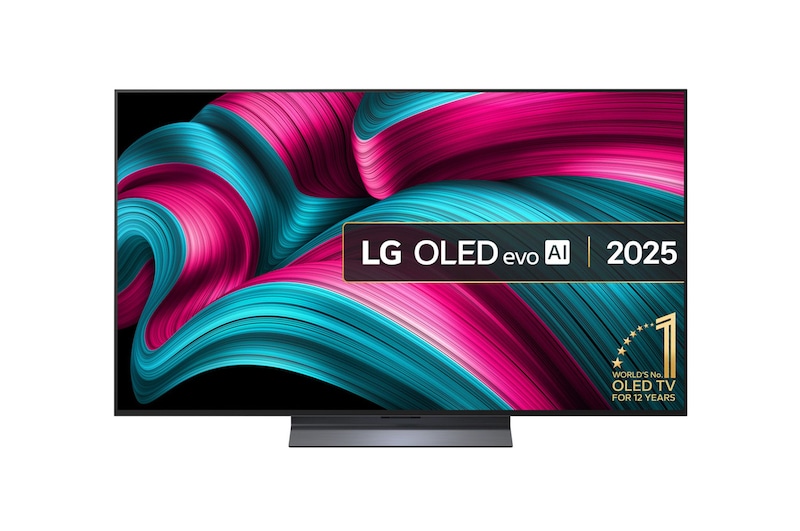
OLED vs LED TVs: A Comprehensive Comparison of Key Differences
What is an OLED TV?
OLED (Organic Light Emitting Diode) technology has revolutionized the way we view televisions. Unlike traditional LED TVs that use backlighting, OLED panels are self-illuminating. This means each individual pixel can emit its own light, allowing for deeper blacks and more vibrant colors.
Advantages of OLED
- True Blacks: Since OLED pixels can turn off completely, they produce true black levels, unlike LED TVs that struggle to achieve deep black due to their backlighting system.
- Better Contrast: With deeper blacks, OLED TVs offer superior contrast ratios. This leads to richer colors and more detailed images, especially in dark scenes.
- Wide Viewing Angles: OLED displays retain their brightness and color accuracy even when viewed from wide angles, unlike LED TVs, which can suffer from color distortion at certain angles.
- Faster Response Time: OLED screens have faster pixel response times, which is beneficial for fast-moving content like sports or action movies.
Disadvantages of OLED
- Price: OLED TVs are generally more expensive than LED TVs. The technology behind OLED panels makes them pricier to produce, which results in a higher retail price.
- Lifespan: OLED panels can be susceptible to burn-in, which occurs when static images are displayed for extended periods. However, most modern OLED TVs come with features to prevent this issue.
What is an LED TV?
LED TVs are a type of LCD TV that uses LED (Light Emitting Diode) backlighting to illuminate the screen. While the panel itself is still an LCD, the backlight provided by LEDs results in brighter images compared to traditional CCFL (Cold Cathode Fluorescent Lamp) displays.
Advantages of LED
- Affordability: LED TVs are more budget-friendly than OLEDs, making them a great choice for those looking for a good TV without breaking the bank.
- Brightness: LED TVs tend to have higher brightness levels than OLEDs, which can be beneficial in brightly lit rooms.
- Longer Lifespan: LED TVs have a longer lifespan compared to OLEDs, with less risk of burn-in over time.
- Variety: LED TVs come in a wide range of sizes and options, from budget to high-end models, giving consumers a lot of choices.
Disadvantages of LED
OLED vs LED TV: Key Differences
1. Picture Quality
When it comes to picture quality, OLED has the edge. Thanks to its self-illuminating pixels, OLED TVs can produce true blacks, better contrast, and more vibrant colors. LED TVs, on the other hand, struggle with achieving the same level of black depth and contrast.
2. Brightness
LED TVs excel in terms of brightness. If you plan to watch TV in a well-lit room, an LED TV may be a better choice. OLED TVs are bright but can’t quite match the sheer brightness of LED TVs, especially when it comes to large displays.
3. Lifespan
LED TVs tend to have a longer lifespan than OLEDs. OLED panels can degrade over time, especially with static images, which can cause burn-in. While modern OLED TVs have made strides to prevent burn-in, LED TVs remain a safer bet for longevity.
4. Viewing Angles
OLED technology wins out when it comes to viewing angles. The picture remains consistent across a wide range of angles, which is great for group viewing. LED TVs can suffer from color distortion and dimming when viewed from the side.
5. Price
OLED TVs are considerably more expensive than LED models. If you’re on a budget but still want a great picture, LED TVs offer a more affordable solution. However, if you’re looking for the best possible picture quality and are willing to invest more, OLED is the way to go.
Which One Should You Choose?
The decision between an OLED and an LED TV depends on your specific needs and budget. If you value picture quality above all else and have a higher budget, an OLED TV is the superior choice. The ability to achieve true blacks and a wide color gamut makes OLED perfect for cinematic experiences and gaming.
However, if you’re looking for a more affordable option, or if you plan to watch TV in a bright room, an LED TV is a solid choice. LED TVs are perfect for those who need good brightness, a long lifespan, and don’t mind compromising on contrast and black levels.
Conclusion
Both OLED and LED TVs offer unique advantages, and choosing between them comes down to personal preference and budget. OLED offers superior picture quality, while LED provides great value at a lower price point. Consider your viewing environment, usage habits, and what features matter most to you before making your decision.
Leave a Comment