
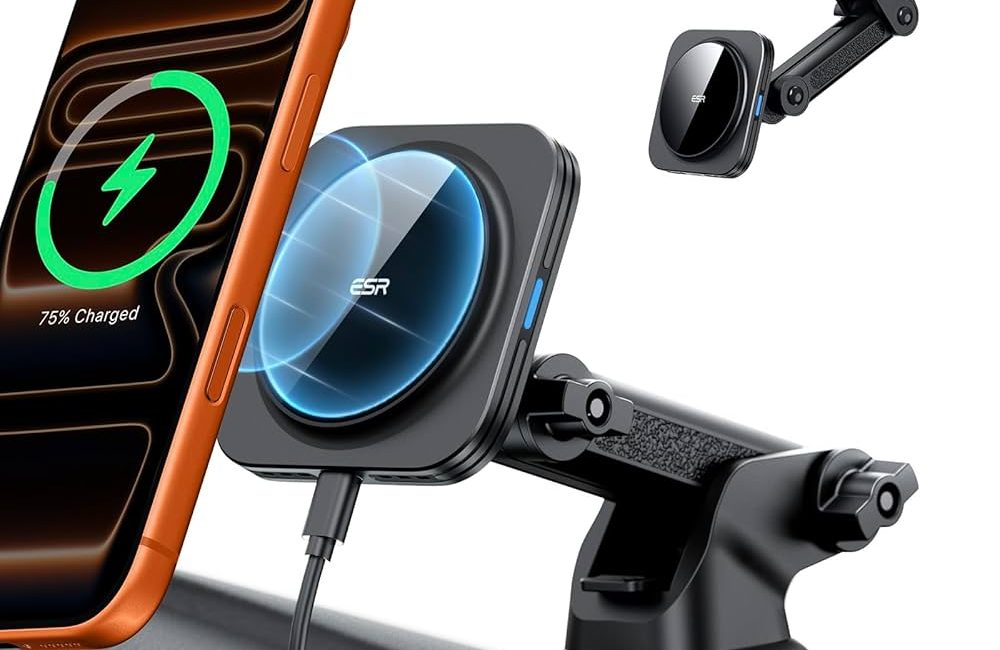
The Significance of Using Wireless Charging for Your Phone
As smartphone technology advances, so do the methods of keeping your device powered. One of the most revolutionary developments in recent years is wireless charging. Gone are the days of scrambling for charging cables and worrying about the wear and tear on charging ports. With wireless charging, you can charge your phone simply by placing it on a charging pad or stand. But what makes wireless charging so significant? In this article, we explore the numerous advantages of wireless charging, including convenience, device longevity, and the role it plays in the future of mobile technology.
1. What is Wireless Charging?
Wireless charging, also known as inductive charging, is a method that uses electromagnetic fields to transfer energy between two objects — a charging pad and your smartphone. Unlike traditional wired charging, which requires a cable to connect your phone to a power source, wireless charging relies on coils in the charging pad and the device to transfer power.
This method is particularly common with smartphones, smartwatches, and wireless earbuds. Through the use of Qi wireless charging technology, many modern devices can charge without the need for physical connectors. Qi is the global standard for wireless charging, and most major smartphone manufacturers now support this technology.
2. The Convenience of Wireless Charging
One of the primary reasons people prefer wireless charging is the convenience it offers. With wired charging, you need to hunt for a cable and plug it into your phone every time you need to charge. Over time, this can be cumbersome, especially if you’re on the go or need to charge your device quickly.
With wireless charging, all you need to do is place your phone on a charging pad. This simplicity eliminates the need to fumble with cables, making charging a much smoother process. This is especially beneficial at places like desks, bedside tables, and in cars, where you can effortlessly charge your phone without worrying about tangled cords.
3. Reduced Wear and Tear on Charging Ports
Charging ports are often one of the most used parts of a phone, and they can experience wear and tear over time. Repeatedly inserting and removing cables can cause physical damage to the port, leading to charging issues or even the need for repairs. With wireless charging, the need for physically plugging in your phone is eliminated, reducing the wear on charging ports and improving the overall lifespan of your device.
Additionally, wireless charging offers the convenience of not needing to worry about frayed or broken charging cables, which can often result in charging failures or unsafe conditions.
4. Improved Device Lifespan
Another major advantage of wireless charging is that it can potentially improve your device’s lifespan. Conventional charging methods can generate more heat due to the direct connection of a cable, and heat is one of the most significant factors in reducing the longevity of lithium-ion batteries — the type commonly used in smartphones.
Wireless chargers tend to generate less heat during the charging process, which could have a positive impact on battery health over time. Many wireless charging pads come with built-in mechanisms to optimize power flow, avoiding excessive heating that could otherwise damage the internal battery of your phone.
5. The Convenience of Multiple Charging Devices
Many wireless charging stations now come with the ability to charge multiple devices simultaneously. Some charging pads allow you to charge your smartphone, smartwatch, and wireless earbuds at the same time, all on a single platform. This multi-device charging eliminates the need for multiple cords and charging adapters, streamlining the process and keeping your workspace neat and organized.
Moreover, some models are designed to be universal, meaning they can charge not just your smartphone but also devices from other manufacturers, such as Samsung, Apple, and Google, as long as they support the Qi standard.
6. Faster Charging Technology
Wireless charging has evolved significantly over the past few years, and many new wireless chargers now offer fast charging capabilities. While traditional wireless charging speeds may have been slower than wired charging, advancements in technology have increased the power output of wireless charging pads, allowing them to charge devices at speeds that rival wired chargers.
Some wireless charging stations support Quick Charge 3.0 or even Qi fast charging, providing faster power delivery and making it easier for users to quickly top up their devices. This ensures that while you’re enjoying the convenience of wireless charging, you aren’t sacrificing speed or performance.
7. Environmental Impact
Wireless charging is also eco-friendly in some respects. Traditional wired chargers often involve disposable cables, which contribute to electronic waste (e-waste) as they wear out or get lost. In contrast, wireless charging relies on fewer consumables and tends to generate less waste in the long run.
Additionally, some wireless charging stations are designed with energy-saving features, reducing power consumption when your phone is fully charged or when it’s not placed on the charging pad. These energy-efficient designs further minimize the environmental impact of charging your device.
8. Compatibility with Modern Homes and Workspaces
As smart homes and connected devices become more prevalent, wireless charging is quickly becoming an essential part of home and office setups. Furniture with built-in charging pads, such as desks, tables, and bedside lamps, allows you to charge your devices without having to worry about messy cords. Many modern homes are designed with wireless charging in mind, making it easier than ever to integrate charging into your daily routine.
At work, wireless charging stations can be used as shared resources, allowing employees to conveniently charge their phones, tablets, and other wireless devices without needing a personal cable.
9. Future of Wireless Charging
The future of wireless charging looks promising. As technology continues to evolve, the capabilities of wireless charging will improve further. Innovations like long-range wireless charging, where devices can be charged even when they are not in direct contact with the charging pad, are already in development. This could one day eliminate the need for charging pads altogether, allowing phones to charge simply by being in proximity to a power source.
Furthermore, advancements in solar-powered wireless charging could offer even more sustainability to the process, giving users the ability to charge their devices using renewable energy.
10. Conclusion
Wireless charging has proven to be a game-changer in the world of mobile technology. Its convenience, reduced wear and tear, and potential to improve battery health make it a significant advancement in the way we charge our phones. While wireless charging may still not be as widespread as wired charging, its benefits are clear: faster charging speeds, a cleaner, cable-free experience, and a better long-term solution for device longevity.
As the technology continues to advance and become more integrated into our homes and workspaces, wireless charging is poised to become the preferred method of charging for smartphones and other mobile devices. It’s not just about convenience — it’s about making our technology more seamless, efficient, and sustainable for the future.
Leave a Comment