
Women in African Sports: Breaking Barriers to Success
Women in African Sports: Breaking Barriers and Achieving Success
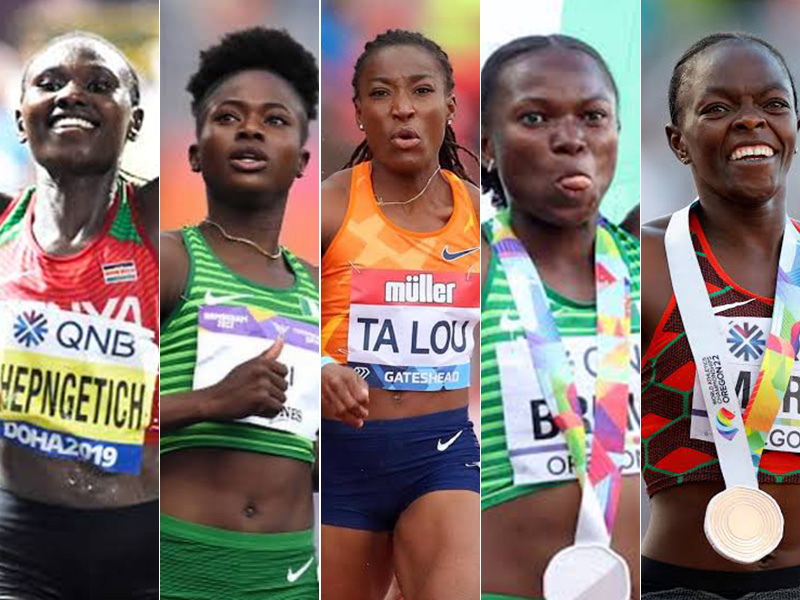
Across Africa, women in sports are rewriting history. Once sidelined by cultural expectations, limited funding, and structural inequality, African women athletes are now competing, winning, and leading on the global stage. From football pitches and athletics tracks to basketball courts and boxing rings, their achievements reflect resilience, talent, and a growing shift in attitudes toward women’s participation in sport.
This transformation did not happen overnight. It is the result of decades of persistence by athletes, coaches, activists, and institutions determined to create space for women in a traditionally male-dominated arena.
Historical Barriers Faced by Women in African Sports
For many years, women in Africa faced deep-rooted barriers to sports participation. In several societies, sports were viewed as inappropriate for women, often discouraged by family expectations and cultural norms. Girls were expected to focus on domestic roles rather than physical competition, especially in rural and conservative communities.
Access to facilities and training opportunities was also limited. Schools and local clubs frequently prioritized boys’ teams, leaving girls with minimal resources. Even talented female athletes struggled to find coaching, sponsorship, or competitive platforms. Media coverage further reinforced inequality by focusing overwhelmingly on men’s sports.
Despite these challenges, women continued to participate—often informally—laying the groundwork for future progress.
Athletics: Africa’s Strongest Platform for Women
Track and field has been one of the most successful entry points for African women into global sport. Long-distance running, in particular, has produced iconic figures such as Tirunesh Dibaba and Caster Semenya, whose dominance reshaped global perceptions of African women athletes.
Athletics offered relatively low barriers to entry compared to equipment-heavy sports. With natural talent, community coaching, and regional competitions, women runners from countries like Ethiopia, Kenya, and Uganda found pathways to international success. Their medals not only brought national pride but also inspired younger generations of girls to see sports as a viable future.
Football and Team Sports: Gaining Ground
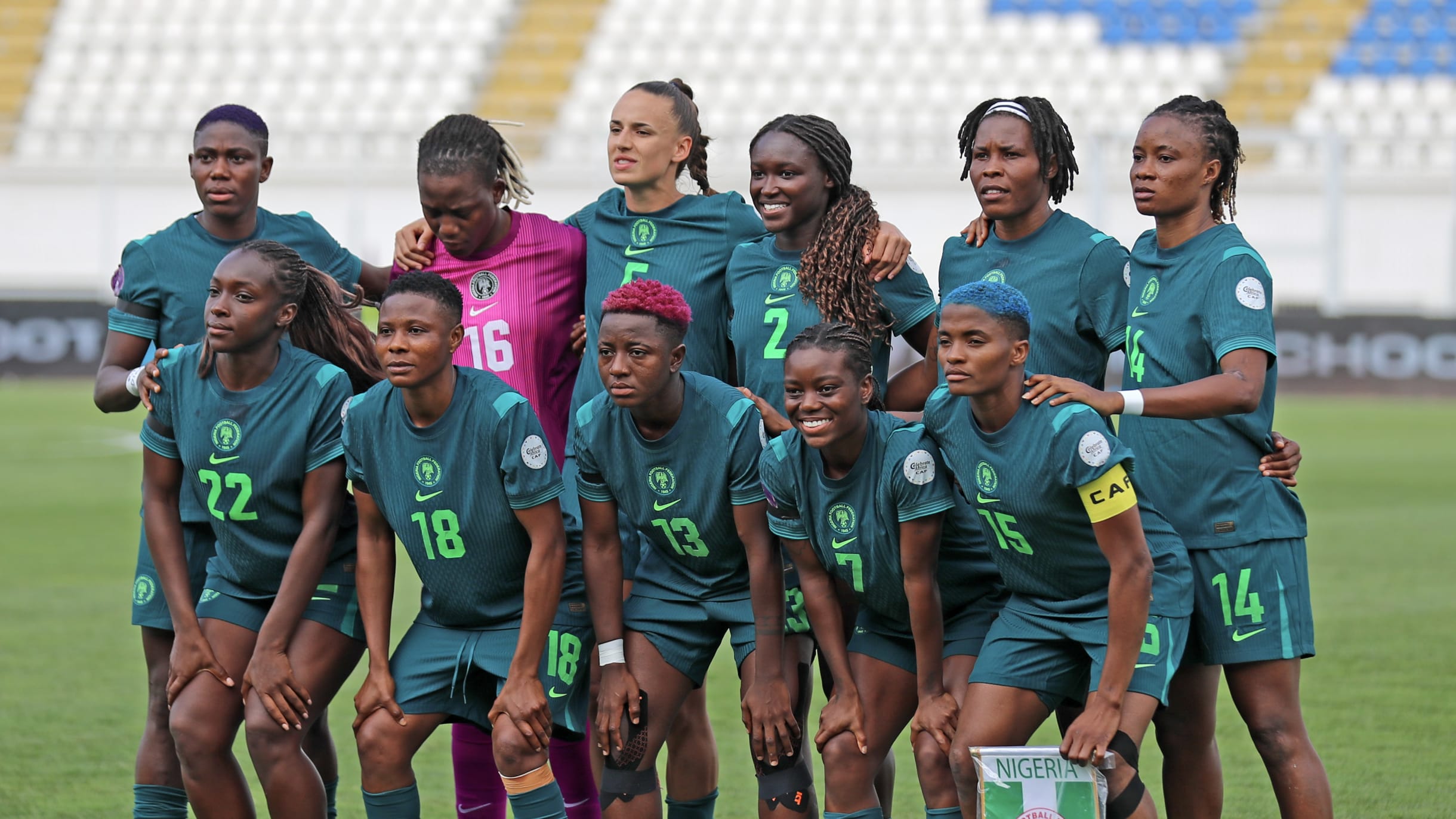
Women’s football in Africa has grown significantly over the past two decades. National teams now compete in continental and global tournaments, and professional leagues are slowly expanding. Players such as Asisat Oshoala have become international stars, proving that African women can excel in elite professional environments.
Basketball, volleyball, and rugby have also seen increased female participation. Women’s national teams from countries like Nigeria, Senegal, and South Africa regularly compete at continental championships. Although funding gaps persist, institutional support is gradually improving through federations, schools, and regional sports bodies.
The Role of Education and Grassroots Programs
Grassroots initiatives have played a critical role in advancing women’s sports in Africa. School-based programs introduce girls to sports at an early age, helping normalize participation and build confidence. Non-governmental organizations and community clubs often provide safe spaces where girls can train, compete, and develop leadership skills.
Sports scholarships and university programs have further expanded opportunities. Education-linked sports pathways allow young women to combine academics with athletic development, reducing the pressure to abandon sport due to economic constraints.
These programs also address broader social issues. Participation in sports has been linked to improved school retention, health outcomes, and self-esteem among girls.
Media Visibility and Changing Narratives
Media representation has been a turning point for women in African sports. Increased television coverage, digital platforms, and social media have given female athletes visibility beyond traditional news outlets. Stories of perseverance and success now reach global audiences, challenging stereotypes and attracting sponsorship.
Athletes themselves use social media to advocate for equality, inspire fans, and highlight issues such as pay gaps and poor facilities. This direct engagement has helped shift public opinion and pressure institutions to invest more seriously in women’s sports.
Ongoing Challenges and Inequality
Despite progress, significant challenges remain. Funding disparities between men’s and women’s teams persist across most sports. Female athletes often earn less, train in inferior conditions, and face shorter career spans due to lack of support.
Gender bias, harassment, and limited leadership opportunities also affect women in sports administration and coaching. Many federations still lack women in decision-making roles, slowing systemic change.
Addressing these challenges requires sustained policy commitment, transparent funding structures, and cultural change at community and national levels.
The Future of Women in African Sports
The future is promising. More African governments and sports bodies are recognizing the economic, social, and diplomatic value of women’s sports. Investments in facilities, youth development, and professional leagues are increasing, albeit unevenly.
As role models continue to emerge, young girls across Africa are growing up with visible proof that sports can be a platform for success, independence, and global recognition.
Women in African sports are no longer just breaking barriers—they are building pathways. Their achievements signal not only personal triumphs but also broader social progress, redefining what is possible for future generations across the continent.
Leave a Comment